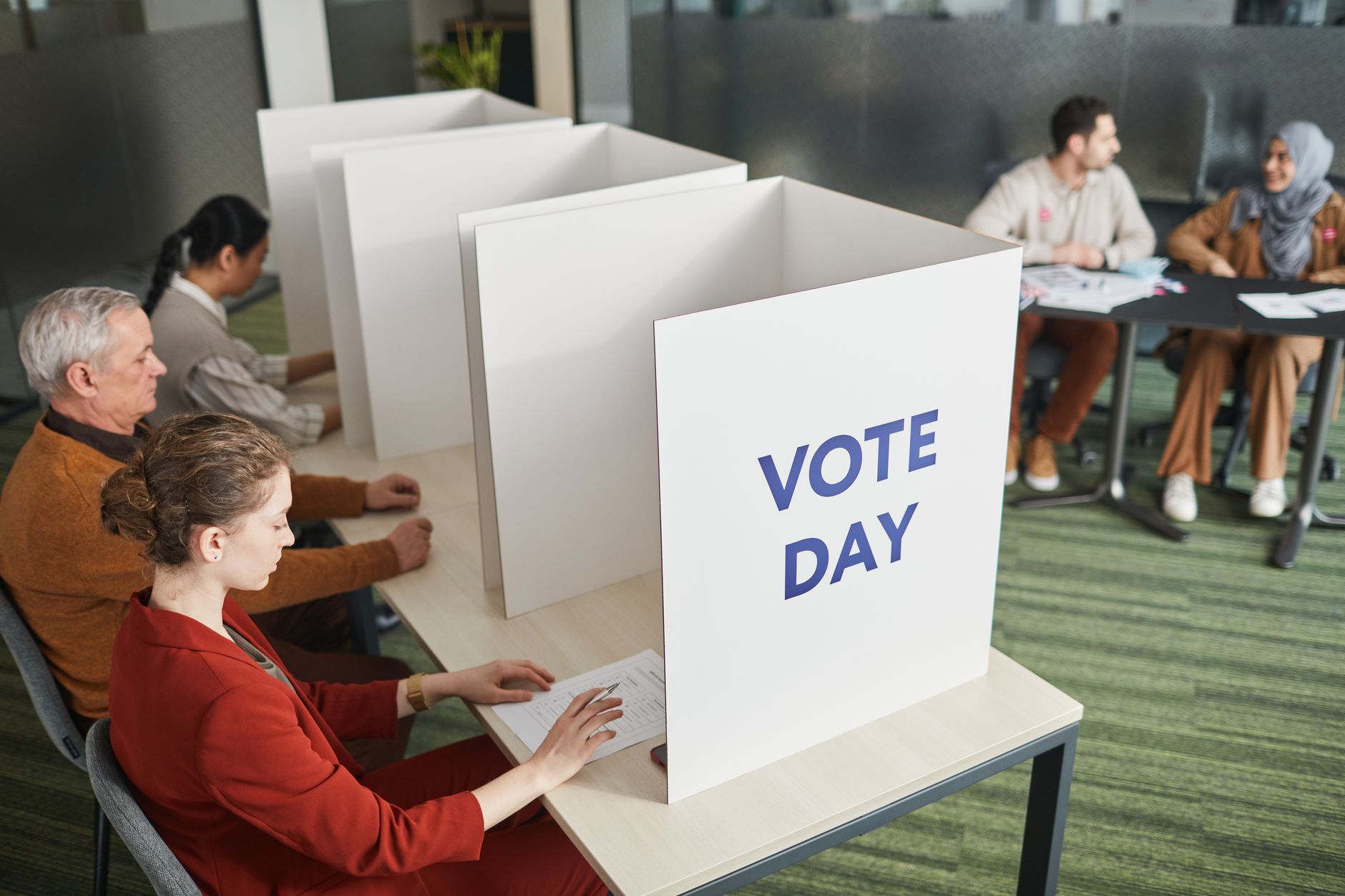
California's September 2026 ballot update is a pre-election status report, not a list of newly enacted laws. The Secretary of State has certified 14 statewide propositions for November 3. The proposals remain undecided, and current rules have not changed because they qualified. County officials must begin mailing ballots by October 5, according to the state's election calendar.
Table of Contents
- Housing and state budget choices
- Proposed voting and local tax rules
- The conflict between Propositions 40 and 42
- Public campaign financing and recalls
- Local measures and what to check next
Housing and state budget choices
proposition 1 would authorize $11.25 billion in general-obligation bonds. These are state borrowings repaid over time. The money would support affordable housing programs and veterans' mortgages. Repayment would cost an estimated $500 million to $600 million annually for about 25 years, according to the official Proposition 1 guide. The measure would provide program financing, not an immediate rent reduction or automatic individual benefit.
Proposition 2 would change reserve and debt-payment rules so california maintains larger budget reserves. The practical tradeoff involves setting aside more money while improving the state's ability to sustain education, health care, public safety and other services during downturns. Proposition 3 would permanently extend high-income tax rates scheduled to expire in 2031. The Secretary of State estimates that this would maintain $5 billion to $15 billion in annual revenue. Its school allocation would be divided 89% for K–12 schools and 11% for community colleges.
Proposed voting and local tax rules
Proposition 39 would require government-issued identification for in-person voting. Mail voters would have to provide the final four digits from qualifying identification, and voter-ID cards would be available on request. The proposal also would require county citizenship-verification reporting. State and local implementation could cost from tens of millions to the low hundreds of millions of dollars annually.
These requirements are proposals, so voters should not treat them as rules for casting the November 3 ballot. Proposition 43 concerns voter-proposed local special taxes, meaning taxes dedicated to specified purposes. Starting January 1, 2027, it would raise their approval threshold from a simple majority to two-thirds. A tax could therefore receive majority support and still fail.
The conflict between Propositions 40 and 42
Proposition 40 would impose a one-time tax of up to 5% on covered assets above $1 billion. Proposition 42 would prohibit new state personal-property taxes and certain retroactive taxes, including conflicting taxes appearing on the same ballot.
📨 Get Free California Guides Alerts
Free · No spam · Unsubscribe anytime
Voters should read these two measures together. They present opposing instructions rather than independent tax changes, and the supplied ballot information does not establish that both could operate fully as written if both pass.
Public campaign financing and recalls
Proposition 4 would allow state and local governments to establish public candidate-financing programs. It would grant that authority rather than automatically create or fund the same program in every jurisdiction.
Proposition 5 would change recalls of statewide officers. Successor candidates would no longer appear on the recall ballot; vacancies generally would be addressed through a later special election or an appointment.
Local measures and what to check next
Local ballots can involve narrower decisions with direct land-use consequences. In Banning, the November ballot includes commercial and industrial rezoning, very-high-density housing on 41 acres, and a development agreement covering public benefits.
That agreement promises more than 68 acres of public land and over $40 million in public benefits, according to Banning's official local-measures page. Voters must still evaluate the rezoning, housing designation and development agreement as separate questions. Before ballots arrive:.
- Confirm that your voter status and mailing address are current.
- Read the statewide guide and the official local materials for your address.
- Compare Proposition 1's housing purpose with its long-term repayment cost.
- Review Propositions 40 and 42 side by side because their tax rules conflict.
- If voting in Banning, distinguish the proposed land-use changes from the development agreement's promised public benefits.