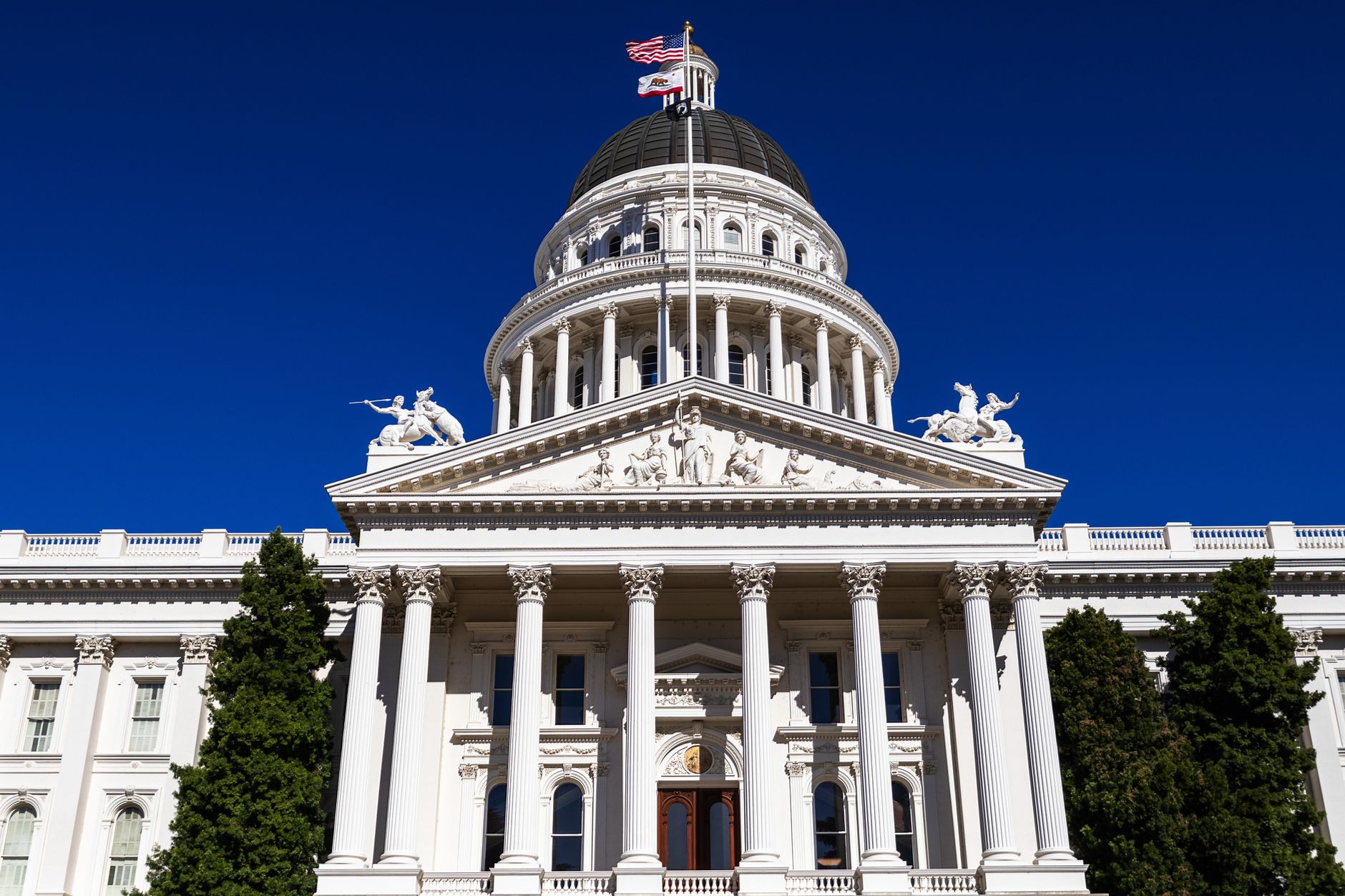
The Senate Energy, Utilities and Communications Committee held an informational hearing May 12, 2026 on wildfire costs. The session was titled Enhancing California's Resiliency to Natural Catastrophes and covered the SB 254 study report and electric-utility recommendations, according to the Senate committee's hearings page hearing schedule.
SB 254 is the 2025 law that extended California's Wildfire Fund. The fund helps cover large utility-caused wildfire costs. Its design affects electric bills, utility investors, survivors, insurers and local public agencies.
Table of Contents
- How SB 254 splits the $18 billion cost
- What witnesses and lawmakers examined
- Why survivors and consumer groups object
- What happens next and what to watch
How SB 254 splits the $18 billion cost
SB 254 created an $18 billion Wildfire Fund Continuation Account. Half comes from ratepayers and half from utility shareholders, about $9 billion each. Ratepayer payments would come through extended non-bypassable charges starting in 2036.
A non-bypassable charge is a fee included on electric bills even when customers buy power from another supplier. The split matters for household budgets and utility finances, according to Greenberg Traurig's analysis reported by Legal 500 California wildfire fund analysis. Ratepayers face long-term bill charges. Shareholders face added company payments.
What witnesses and lawmakers examined
Lead witnesses were California Earthquake Authority CEO Tom Welsh as Wildfire Fund administrator, SB 254 research director Dr. Laurie A. Johnson, and Aon's Andy Neal on actuarial analysis. Their roles linked fund management, research findings and cost projections. At a Sept.
11, 2025 hearing on SB 254, authors said utility-financed wildfire-mitigation capital could save money. They estimated $300-$400 million in yearly savings from ratepayer-backed securitized debt for $6 billion in mitigation work. Securitized debt means borrowing repaid through a dedicated bill charge. Authors also said public financing for some transmission projects could cut costs up to 50%. That approach matters because transmission spending flows into rates. Lower borrowing costs can reduce pressure on bills, but do not remove the underlying project cost.
📨 Get Free California Guides Alerts
Free · No spam · Unsubscribe anytime
Why survivors and consumer groups object
Ideas discussed around the CEA report drew opposition from wildfire survivors, consumer groups, insurers and public entities. The dispute centers on who pays after a major fire and what survivors can recover. Opponents criticized possible limits on utility liability, restrictions on survivors' recovery and subrogation, and use of a sales tax for a utility fund, according to Consumer Watchdog's account of the Capitol hearings hearing opposition summary.
Subrogation is an insurer's legal claim to recover money it paid to policyholders. For renters and homeowners, the practical concern is recovery after loss. For ratepayers and taxpayers, the concern is shifting utility costs onto bills or broad taxes. For insurers and public agencies, the concern is reduced ability to recover fire-response and claim costs.
What happens next and what to watch
The May hearings did not change law. They were informational, with testimony and no committee vote. Ratepayers, shareholders, survivors, insurers and public entities still face cost-shifting risk while proposals remain under debate.
On May 13, 2026, Senate President pro Tempore Monique Limón assigned Sens. Josh Becker and Steve Padilla to coordinate wildfire recovery, energy and insurance-affordability work across Insurance, Judiciary, Emergency Management, Natural Resources, Energy and Budget committees, according to the Senate SD18 announcement Senate coordination plan. Chair Benjamin Allen later said he was deeply troubled by reported Edison and PG&E pressure for liability limits and was considering an oversight hearing with executives. Residents can follow the issue without taking legal action now:.
- Track the Energy, Utilities and Communications Committee hearings page for reports and dates.
- Watch coordinated Senate work on recovery, rates and insurance affordability.
- Keep utility bills, insurance notices and wildfire-expense records if you live in a high-risk area.