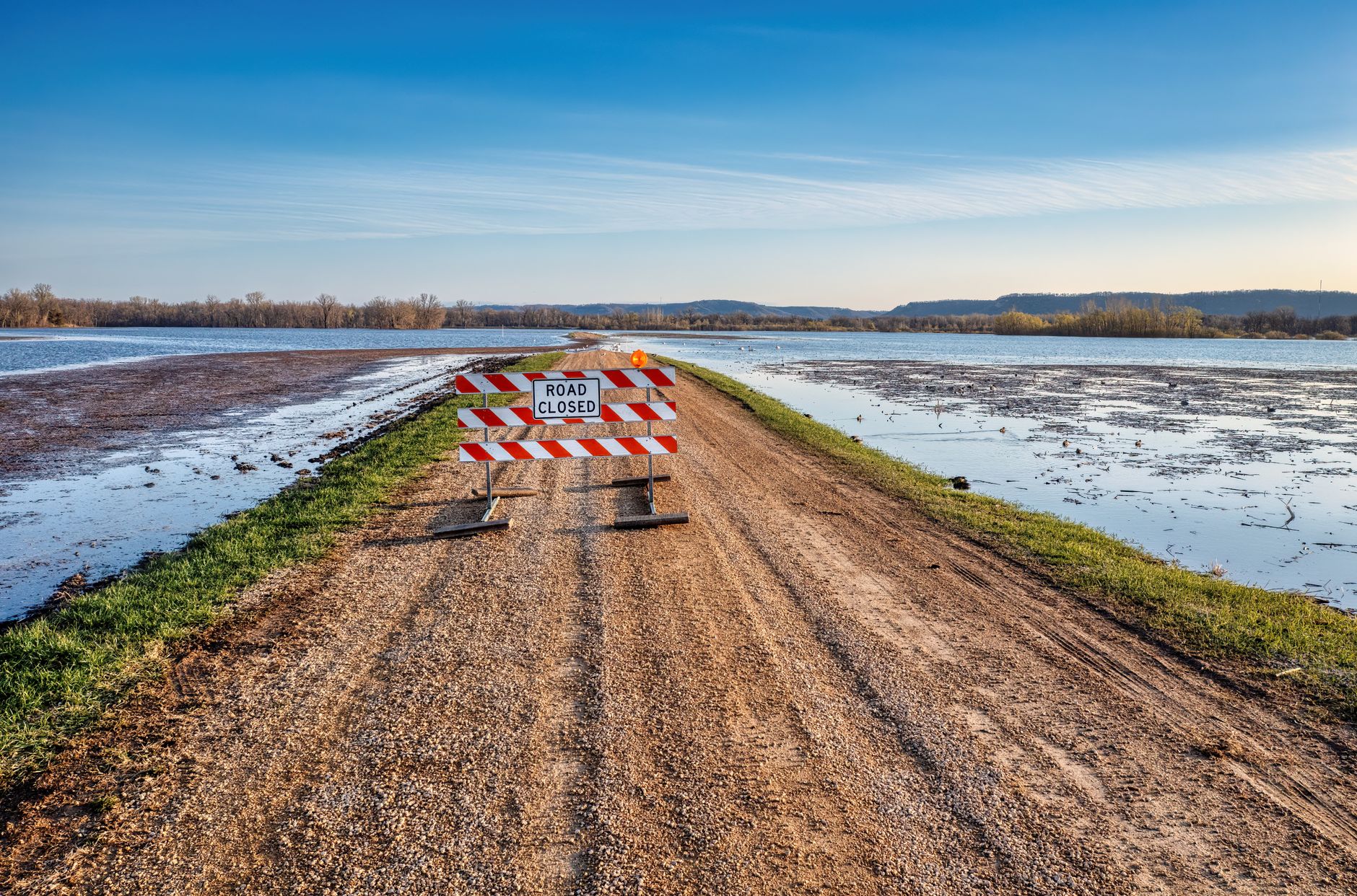
California flood insurance covers San Francisco homeowners through a separate National Flood Insurance Program policy that pays for flood damage to the home structure and belongings up to federal limits. Standard homeowners coverage does not include that protection, so owners buy flood coverage as an added policy.
The National Flood Insurance Program is the federally backed program that sells flood policies through participating insurers. San Francisco participates in that federal program, so owners, renters and businesses can buy federally backed coverage in any part of the city. The City and County of San Francisco Floodplain Administration provides local floodplain rules and map information for buyers.
Table of Contents
- Why a separate policy matters
- What the federal policy pays for
- Who needs it in San Francisco
- When does coverage start
Why a separate policy matters
Standard California homeowners and commercial policies typically exclude flood, mudslide, debris flow and similar disasters. The California Department of Insurance states that exclusion in its flood insurance resources. That gap matters because water from heavy rain, coastal flooding and overflowing drains can damage floors, walls, wiring and appliances.
A homeowner without flood coverage pays those repair and replacement costs directly. A separate flood policy covers that specific flood risk. Owners keep their homeowners policy for fire, theft and other listed perils, then add flood coverage for flood loss.
What the federal policy pays for
For a single-family home, dwelling coverage caps at $250,000 for the building and $100,000 for contents, according to the California Department of Insurance residential guide in its coverage limits summary. Owners with higher home values may still face repair costs above the cap. Building coverage pays for structural parts such as foundations, electrical and plumbing systems, furnaces, water heaters and built-in appliances.
Contents coverage pays for items inside the home such as clothing, furniture and electronics, according to FEMA FloodSmart. Coverage has firm limits below grade and for added living costs. FEMA reports that federal policies do not cover added living expenses, preventable mold or moisture, or most basement finishes and belongings, with only furnaces and similar essentials covered below grade.
📨 Get Free California Guides Alerts
Free · No spam · Unsubscribe anytime
Who needs it in San Francisco
Federal law requires flood insurance in San Francisco only for structures in Special Flood Hazard Areas with a federally regulated or government-backed mortgage. The City and County of San Francisco Floodplain Administration applies that purchase rule for the life of the loan. The city Flood Insurance Rate Map has been effective since March 23, 2021.
It designates coastal hazard areas including Mission Bay, Treasure Island, Bayview-Hunters Point, Candlestick Point and Ocean Beach, according to the City and County of San Francisco Floodplain Administration. Owners outside those mapped zones can still buy coverage. Because the city participates in the federal program, federally backed policies are available citywide, as described in the city floodplain program page.
- Check whether your address falls in a Special Flood Hazard Area.
- Ask your lender whether your loan requires flood insurance.
- Compare building and contents limits against your repair and replacement costs.
When does coverage start
New federal policies normally take effect after a 30-day wait. FEMA set that timing rule in its 2018 policy on waiting periods. Two exceptions shorten the wait.
A purchase tied to a loan closing has no wait, and property newly mapped into a Special Flood Hazard Area within 13 months has a one-day wait. That wait makes early purchase important for renters and owners near the coast and low-lying streets. Buy before storm season or closing, because a flood forecast does not shorten the wait.