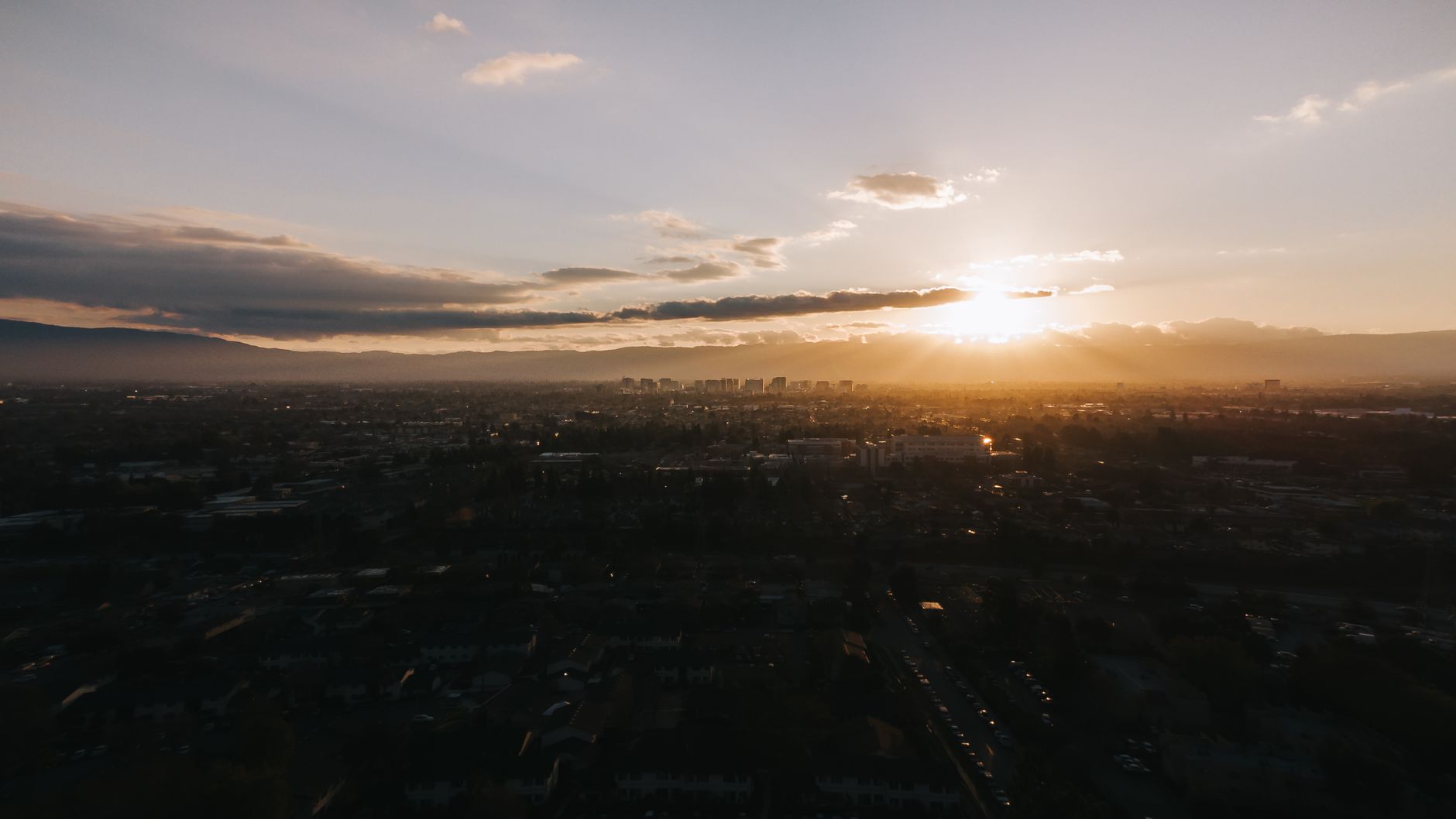
San Jose is pausing land-use approvals for data centers and other large energy projects until it adopts uniform citywide standards. The city is pairing that pause with new operating rules, developer fees, and a power-delivery deal with PG&E. A data center is a large building that houses computers, cooling, and backup power for internet and AI services. For residents, the near-term questions are jobs and construction, housing funds, water and power use, and backup-generator pollution.
Table of Contents
- What is paused, and what happens next?
- What would large data centers have to do?
- What would developers pay, and who benefits?
- Can the power grid handle near-term growth?
- What can residents and job seekers do now?
What is paused, and what happens next?
According to San José Spotlight, the City Council voted unanimously on Nov. 17, 2026 to freeze approvals for at least 12 pending projects while staff writes uniform standards San José Spotlight report. The pause prevents a large proposal from being approved under older, project-by-project conditions. According to the Bay Tribune, the Planning Commission then voted 9-0 on Nov.
18, 2026 to recommend the draft standards Bay Tribune account. The drafts head to the council for first reading Dec. 8 and second reading Dec. 15, with an urgency ordinance for immediate effect.
What would large data centers have to do?
The draft rules target facilities drawing 20 megawatts or more, enough power for thousands of homes at once. According to Government Technology, covered projects would need 100% clean or renewable electricity and could not use drinking water in open-loop cooling GovTech summary. Backup-generator testing would be limited to 25 hours per year.
Generators would also need EPA Tier 4 controls and could run only during outages, never for demand response. Operators would file annual energy and water reports, with third-party verification every five years. Those terms matter for nearby renters and workers because generators and cooling shape air quality, noise, water demand, and utility strain.
What would developers pay, and who benefits?
Developers would pay a $5.20-per-square-foot affordable-housing linkage fee. They would also pay an energy-reliability fee of about $50,101 per megawatt, with 35% reserved for the host council district for three years.
📨 Get Free California Guides Alerts
Free · No spam · Unsubscribe anytime
In practice, a very large building can therefore produce a sizable housing payment plus a grid-related payment. The district set-aside means Alviso-area neighborhoods near many proposals could see earlier local spending. Residents watching housing and neighborhood funds should track how the council defines eligible uses, collection timing, and public reporting.
Can the power grid handle near-term growth?
San Jose signed an Implementation Agreement with PG&E to streamline and guarantee power delivery for large loads. PG&E is processing almost 2 gigawatts of new San Jose data-center requests, so the agreement focuses on sequencing substations, permits, and upgrades. One upgrade is already underway in Alviso.
PG&E and Smart Wires added power-flow-control devices at Los Esteros substation to free over 100 MW of capacity for nearby data centers. Google's Alviso project at 5079/5087 Disk Drive shows the scale: about 482,790 square feet with a 250-MW substation, enough for about 250,000 homes. According to Data Center Dynamics, two planned high-voltage lines adding up to 2 GW are not expected until 2028 Data Center Dynamics report.
What can residents and job seekers do now?
Keep pay stubs, leases, utility notices, and meeting notices together if a project affects your block. That record helps with later wage, renter, benefits, or public-comment questions.
- Follow the Dec. 8 and Dec. 15 council readings and the urgency-ordinance vote.
- Check whether a proposal is in your council district and whether the 35% local share applies.
- Ask applicants about cooling water source, generator hours, and annual reporting.
- For jobs, ask whether hiring is permanent operations work or short-term construction work.