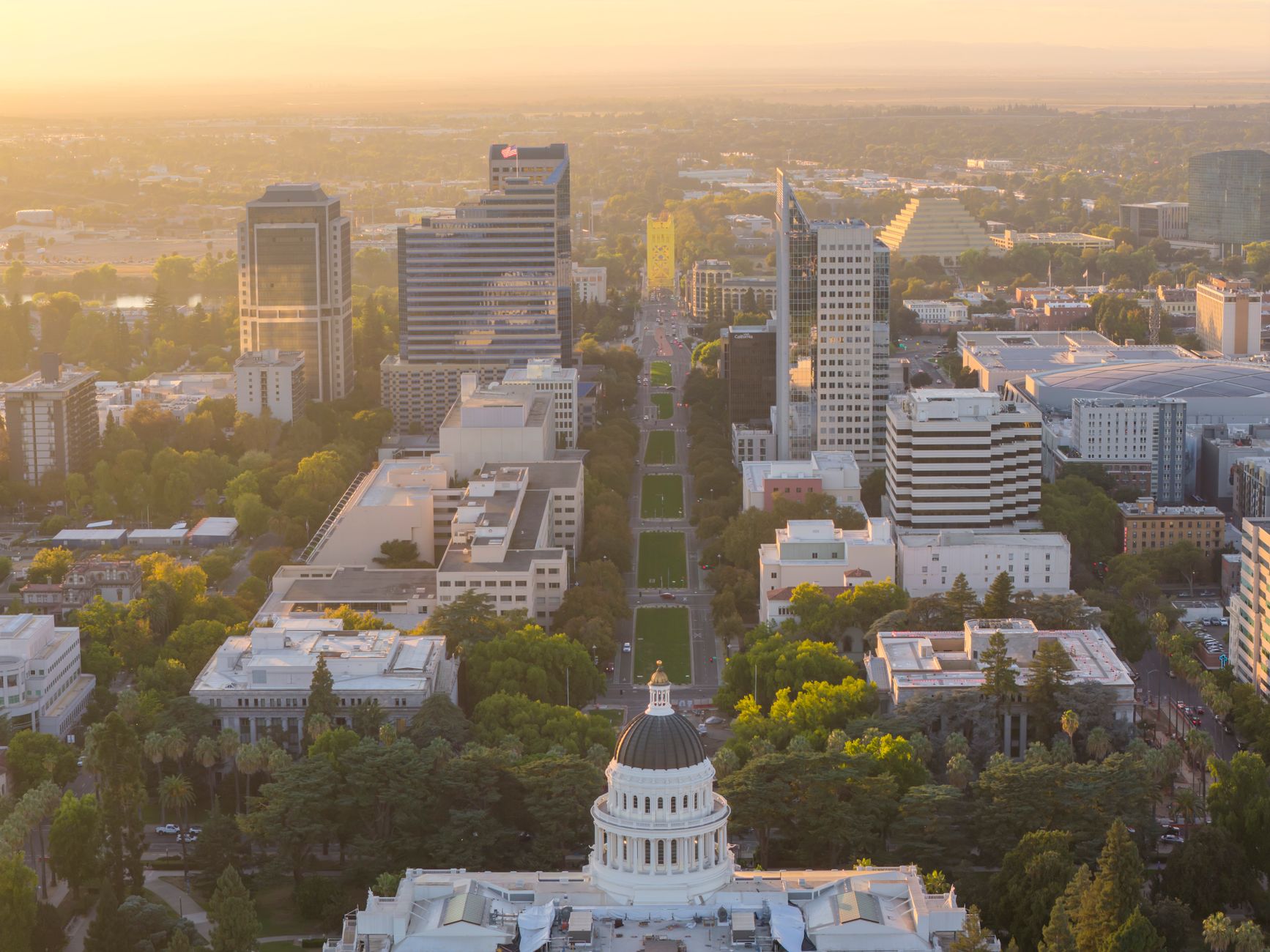
San Jose paused land-use approvals for data centers until uniform city standards are adopted. Silicon Valley developers cannot advance pending projects until the council acts on December 8, 2026. A data center is a large facility that houses computer servers and cooling equipment. The Bay Tribune reported the council voted unanimously on November 17, 2026 to halt approvals for data centers and other large energy-use projects while it writes those rules.
Table of Contents
- What did the city pause?
- Which projects are frozen?
- What will the new rulebook require?
- How should developers prepare now?
What did the city pause?
The pause stops all land-use approvals for data centers and other large energy-use projects, as described in the Bay Tribune pause report. The Bay Tribune reported the November 17 vote was unanimous and lasts until uniform standards are adopted.
The action is a short temporary pause, not a permanent ban. The Bay Tribune describes it as ending when the council adopts the standards through an urgency ordinance that takes effect immediately.
Which projects are frozen?
The pause covers 12 data-center proposals already under city review, according to San Jose Spotlight in its temporary moratorium account. None of those 12 can advance before the new rules take effect.
SJtoday reported the frozen group includes planned Google and Microsoft projects in Alviso, plus 10 other pending applicants. Developers in that queue stay frozen even if site plans or prior reviews are complete.
📨 Get Free California Guides Alerts
Free · No spam · Unsubscribe anytime
What will the new rulebook require?
The pending rulebook sets minimum benchmarks for energy and water use, air pollution, and noise, SJtoday reported in its December standards vote summary. The council vote on those standards is scheduled for December 8, 2026.
Draft standards described by the Bay Tribune would require large energy projects to use renewable electricity and closed-loop or recycled-water cooling. They would also cap diesel backup-generator testing at 25 hours per year.
How should developers prepare now?
No project can move forward under the old administrative planning-director approval before December 8, Magica News reported in its pause conditions overview. The same account says future permits face prevailing-wage, no-subsidy, and community-benefit conditions.
Use the pause to align project documents with the expected tests. Design teams can review power sourcing, water systems, generator schedules, and labor plans against those benchmarks. Bring an updated compliance package to the first available review after the council adopts the standards.
- Compare electricity contracts to a renewable-electricity standard
- Compare cooling design to closed-loop or recycled-water use
- Log generator testing hours and local noise controls
- Check wage, subsidy, and community-benefit paperwork