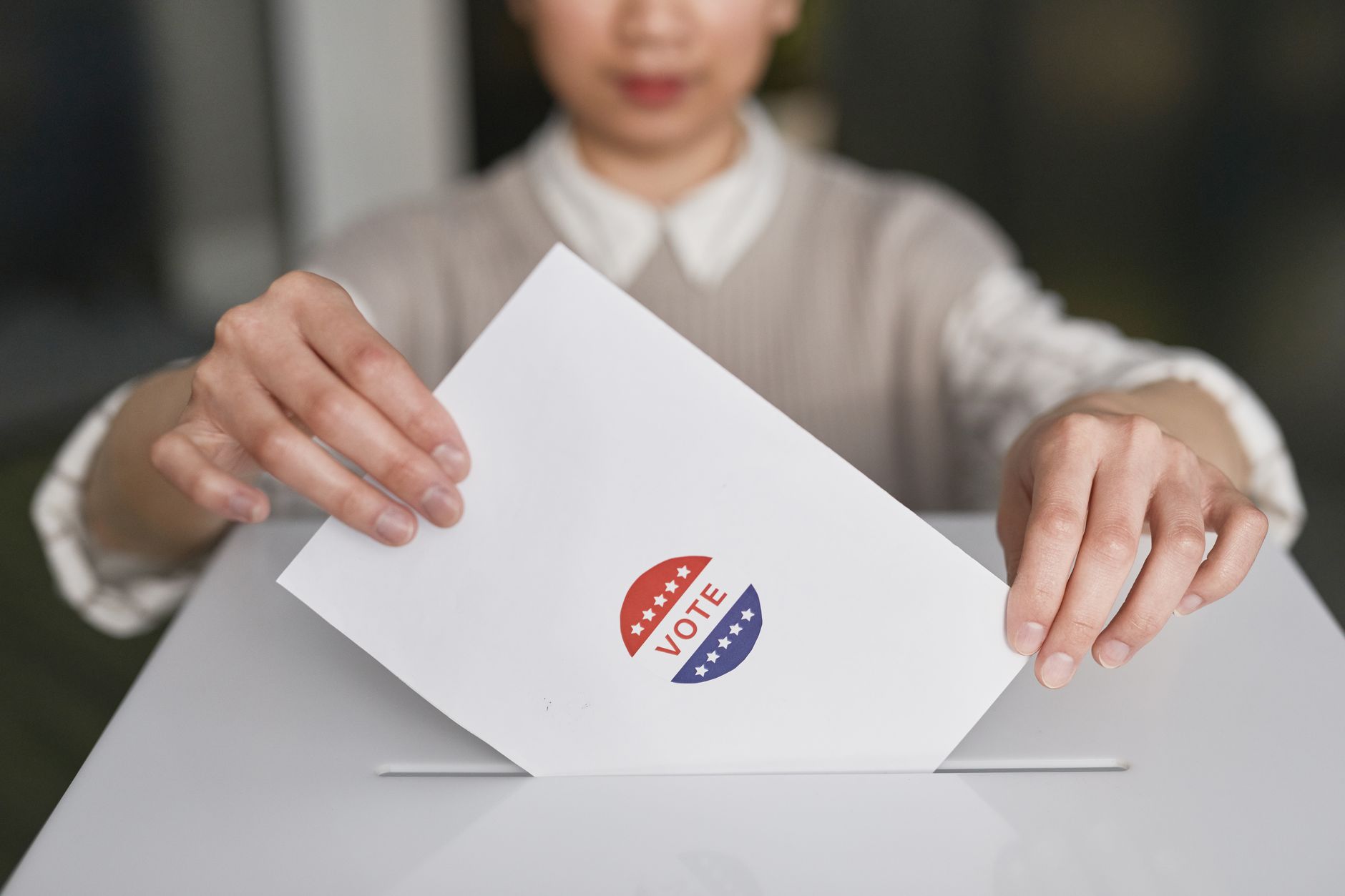
California election results for the Nov. 3, 2026, general election start posting at 8 p.m. Pacific, when polls close, but they will not be official for weeks. Counties have until Dec. 3 to certify their counts, with statewide certification by the Secretary of State set for Dec. 11, according to the state’s published calendar.
Where it stands: Voting is under way on Tuesday and no results have been reported. Polls statewide run 7 a.m. to 8 p.m. Once they close, state rules say counties report their totals to the Secretary of State “at least every two hours until completed.” San Francisco’s Department of Elections notes that, under state law, it “cannot release election results until voting has ended in all California counties.”
This explainer covers how the count works and how to read the numbers as they come in. Our companion explainer shows how to check the status of your own ballot. For the congressional contests, see the California House races to watch.
When will California election results be final?
The official finish line is Dec. 11. Election night produces semifinal returns; the official canvass that follows adds the rest of the ballots, and counties then certify by Dec. 3 and send their returns to Sacramento by Dec. 4.
| Date | What happens | Source |
|---|---|---|
| Nov. 3, 8 p.m. | Polls close; counties start posting semifinal returns | Secretary of State |
| Nov. 10 | Last day for a mailed ballot postmarked by Nov. 3 to arrive | Secretary of State |
| 13th day after the election | Counties report most ballots (AB 5) | PolitiFact |
| Dec. 3 | Deadline for counties to certify | Secretary of State |
| Dec. 11 | Statewide Statement of Vote and certificates of election | Secretary of State |
Race calls by news organizations can come much earlier than certification, but in close contests they often do not. SSRS executive Joe Lenski, whose firm runs a national exit poll, told PolitiFact that every cycle a handful of U.S. House districts go uncalled on election night and the day after, “mostly in California.” In the 2024 primary, LAist reported, it “took 23 days to call the second-place winner for Orange County’s 45th congressional district.”
Why is California so slow to count votes?
Mostly because almost everyone votes by mail and the state gives late-arriving ballots and flawed envelopes time to be counted. Every active registered voter is mailed a ballot, and LAist reported that nearly 90% of the votes cast in the 2024 presidential election in California came in by mail. More than 16 million Californians voted in that general election.
Three rules stretch the timeline:
- The postmark window. A mailed ballot counts if it is postmarked by Election Day and arrives within seven days, so ballots keep landing through Nov. 10. PolitiFact noted that the U.S. Supreme Court in June upheld states’ ability to accept ballots on that schedule.
- Signature checks and cures. Each envelope signature is compared with the voter’s record before the ballot is opened. Voters whose signature is missing or does not compare get a chance to fix it, and those ballots wait until they do.
- Same-day registration. People who register during the final two weeks vote provisional ballots, which are counted only after officials confirm eligibility.
Timing of arrival matters too. CalMatters reported that ballots arriving before Election Day can have signatures checked in advance, while the ones that come in later “must do this work later, delaying results.” Experts also told CalMatters that the state’s many competitive districts and its generous windows to fix errors add to the wait. The Secretary of State’s office puts the policy plainly: “All valid vote-by-mail ballots are counted in every election in California, regardless of the outcome or closeness of any race.”
How do the 13-day and 30-day counting deadlines work?
There are now two clocks. Assembly Bill 5, signed in 2025, requires counties to report results for most ballots by the 13th day after the election, PolitiFact and CalMatters reported. The older 30-day window still applies to the official canvass and to the hardest ballots.
The exceptions are the slow ones: provisional ballots, ballots from same-day registrants and mail ballots that need signature follow-up, which officials should finish within 30 days, according to PolitiFact. Jesse Salinas, Yolo County’s registrar and president of the state association of clerks and elections officials, told CalMatters that finishing everything in 13 days is not possible under state law. “I’m hearing these comments about ‘We should be done by the 13th day,’ — that’s legally not possible by state law,” he said.
Under the Elections Code, the official canvass must start no later than the Thursday after the election, be open to the public and run at least six hours on each weekday until it is done, the Secretary of State says. It also includes a random hand count of ballots in one percent of precincts to check the machine tallies.
How to read California election results on election night
Treat the first numbers as a partial snapshot. San Francisco’s elections department describes election night as “an early snapshot of the election results—not the final outcome,” and that holds statewide.
The first batch most counties post is ballots that arrived and were processed before Election Day. San Francisco’s schedule shows the pattern: its first report, at about 8:45 p.m., covers “most vote-by-mail ballots received and processed before Election Day,” and the second, at about 9:45 p.m., adds ballots cast in person. Ballots dropped off or mailed on Tuesday come later.
The Secretary of State says the ballots left after election night, counting late mail and provisional ballots, “can number 500,000 to over 1,000,000.” A useful habit is to check each county’s estimate of ballots still to be processed before treating a lead as settled. In a close race, which kinds of ballots get tallied first can move the margin either way, which is why election-night leads in California are not results.
📨 Get Free California Guides Alerts
Free · No spam · Unsubscribe anytime
For statewide propositions, the same caution applies; our guide to reading a California ballot measure without the spin explains what a yes or no vote actually does.
What differs by county?
The state sets the deadlines, but each of the 58 counties runs its own count, update schedule and cure process. LAist reported that 30 counties, including Los Angeles, Orange and Riverside, use the Voter’s Choice Act model of vote centers instead of assigned polling places, which has cut the number of provisional ballots there.
San Francisco is one example of a published schedule. Starting Wednesday it will post daily estimates of ballots left to process, plus updated results around 4 p.m. each day through Nov. 13, skipping Veterans Day on Nov. 11. The department says the earliest it may certify under state law is Nov. 25, and that it may need the full 30 days, with about 530,000 registered voters and close to two million ballot cards to process.
Signature-cure deadlines also vary, because they are tied to each county’s certification date. Our vote-by-mail guide covers the envelope rules that most often trip voters up.
Which ballots are in dispute in 2026?
One federal court fight touches the count. The Trump administration says about 20,000 people who were mailed California ballots may not be U.S. citizens, and it asked the courts to have those ballots set aside, the Associated Press reported. California officials say the list is highly unreliable and likely includes many citizens, and that ballots already processed cannot be traced back to individual voters.
A federal district judge denied the request on Oct. 28. On Oct. 30, a 9th Circuit panel ruled 2-1 against the Justice Department, writing that “there is no feasible way to identify and segregate the ballots of specific individuals without potentially catastrophic effects on the entire system.” A department spokesperson said, “Every ballot cast by an ineligible voter cancels out the vote of an American citizen,” and its lawyers have said they plan to take the case to the U.S. Supreme Court, the AP reported. That was the status as of the AP’s Oct. 30 report.
Whatever happens in court, the calendar set by state law does not move: the Secretary of State lists Dec. 11 as the date for certifying the Statement of Vote for the Nov. 3 election.
Frequently Asked Questions
When will California election results be official?
Each county has until Dec. 3 to certify. Statewide certification of the Statement of Vote, along with certificates of election, follows on Dec. 11. Everything posted before then is unofficial.
Why do California results keep changing after election night?
Election-night totals are mostly ballots that arrived early. Ballots dropped off on Election Day, mail ballots that arrive by Nov. 10, provisional ballots and ballots with signature problems are added during the official canvass, which can move margins in close races.
Where can I see official California election results?
The Secretary of State posts statewide returns at electionresults.sos.ca.gov beginning at 8 p.m. on election night. Each county registrar also posts its own results and update schedule.
Does California count every mail ballot, even in races that are not close?
Yes. The Secretary of State says every valid mail ballot is tallied regardless of how close or lopsided a race is.
Is there a hand count in California?
Yes. During the canvass, each county hand-counts the ballots cast in one percent of its precincts, chosen at random, to check the voting equipment against the machine count.
Sources
- General Election – November 3, 2026: Key Dates and Deadlines — California Secretary of State, accessed November 3, 2026
- The Official Canvass of the Vote — California Secretary of State, accessed November 3, 2026
- Vote By Mail — California Secretary of State, accessed November 3, 2026
- California voting ends Tuesday. The results? Don’t expect them anytime soon — CalMatters (via Stocktonia), June 2, 2026
- When will we know 2026 midterm election results? It may take some time, but that’s normal — PBS News / PolitiFact, October 31, 2026
- The Department of Elections Announces Results Reporting Timeline for the November 3, 2026, Consolidated General Election — San Francisco Department of Elections, October 26, 2026
- An Accurate and Complete Vote Count Takes Time — San Francisco Department of Elections, accessed November 3, 2026
- How long does it take to count votes in California? — LAist, updated 2026
- Appeals court rejects Justice Department request for California to set aside disputed ballots — The Associated Press (via KSAT), October 30, 2026
This article is news reporting and analysis based on the public sources listed above, as they stood on the dates shown. Where officials, lawmakers or analysts disagree, including on whether an action is lawful, their positions are attributed to them; California News Now is not a court and nothing here is legal advice. Facts in a developing story can change.