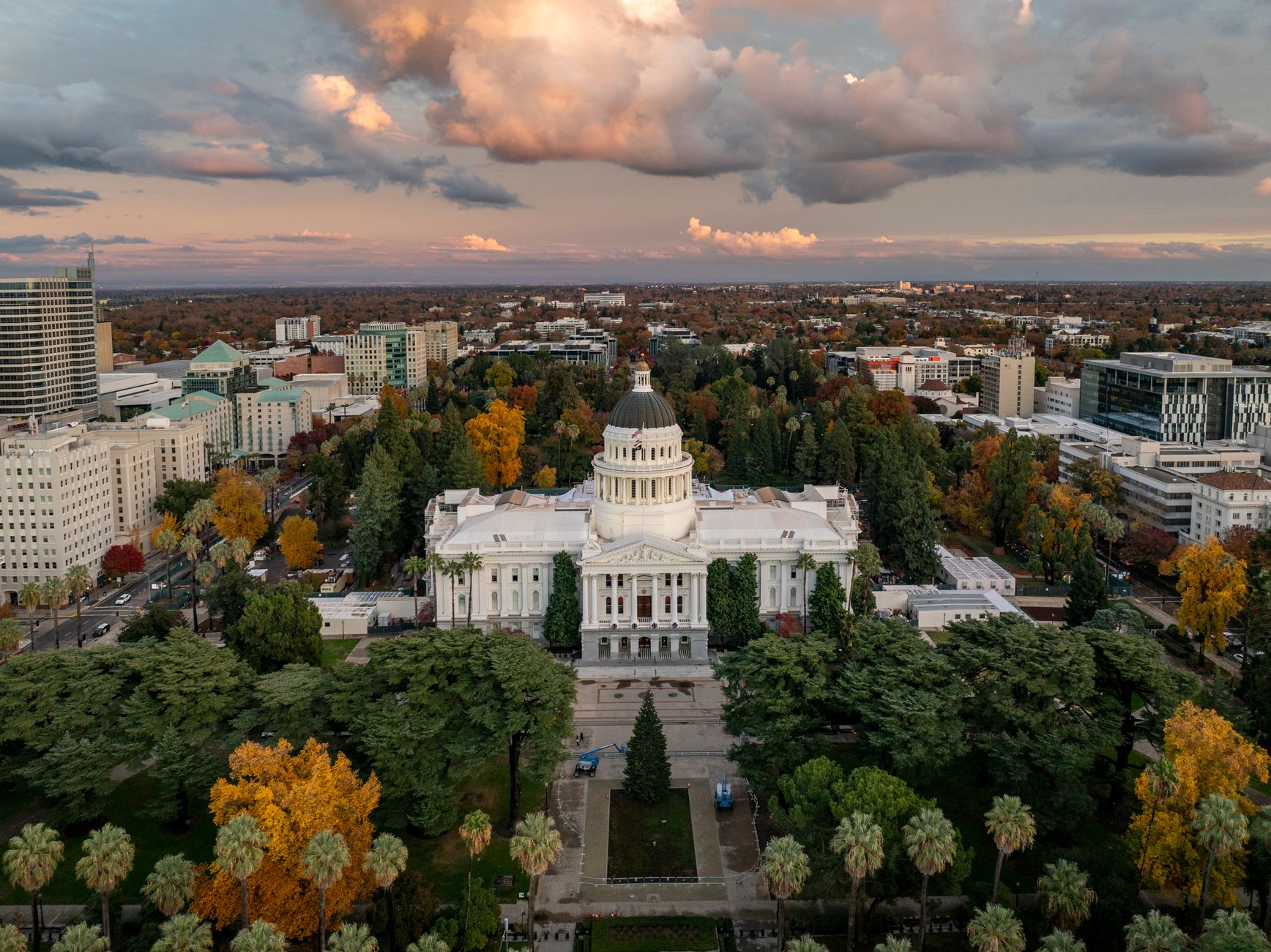
The California Assembly Utilities and Energy Committee oversees utility and energy legislation in the State Assembly. It is a standing committee that reviews bills and holds oversight hearings on utility and energy matters, according to the committee's official page. A standing committee is a permanent Assembly panel that vets proposed laws before the full house votes. This one focuses on electricity, natural gas, water utilities, railroads, and the state agencies that regulate them.
Table of Contents
- Which agencies does it oversee?
- What energy sources and grid issues are covered?
- How does it affect rates and household utilities?
- What can it not do for you?
- How can you follow or contact the committee?
Which agencies does it oversee?
Its primary jurisdictions include the California Public Utilities Commission, CPUC oversight and reform, the California Energy Commission, and the California Independent System Operator, according to the committee's jurisdiction list. Those agencies handle utility regulation, energy planning, and grid operation.
In practice, that means the committee examines how the CPUC regulates utilities and whether reforms are needed. It also reviews energy policy and grid management issues tied to the Energy Commission and grid operator.
What energy sources and grid issues are covered?
The portfolio covers electric generation from biogas, biomass, coal, geothermal, hydroelectric, natural gas, nuclear, renewables, solar, and wind. It also covers the electric grid and power-plant siting. Siting means where power plants can be built.
Grid oversight includes reliability, investment, and planning for electricity delivery across California. The committee also handles energy efficiency, conservation, demand response, energy service providers, and natural gas policy. Demand response pays or credits customers who cut use during peak strain.
How does it affect rates and household utilities?
It covers utility rates for electricity, gas, water, and vessels. It also covers water utilities, railroads, and supplier-diversity requirements for CPUC-regulated energy, water, and railroad firms. For residents, that includes bills for investor-owned electric and gas utilities and regulated water providers.
📨 Get Free California Guides Alerts
Free · No spam · Unsubscribe anytime
Supplier diversity refers to utility contracting with women-, minority-, veteran-, and LGBT-owned businesses. Recent work shows this accountability role in action. In 2025-26 the committee held oversight hearings on utility wildfire safety, utility investability and grid investment, wildfire subrogation, and energy-efficiency programs, as listed on the committee's hearings page.
What can it not do for you?
The committee vets legislation and conducts oversight, but it does not set your rates or decide wildfire liability. Rate decisions rest with the CPUC, and final action needs approval by the full Legislature and governor, according to the Assembly leaders' September 2026 announcement. A hearing alone changes no law.
A bill must still pass both houses and win the governor's signature. That limit matters if you need help with a bill. Contact your utility and the CPUC for shutoffs, billing errors, or service complaints while tracking the committee for policy changes.
How can you follow or contact the committee?
Assemblymember Cottie Petrie-Norris of District 73 chairs the committee. Assemblymember Joe Patterson of District 5 serves as vice chair.
Staff can be reached at 1020 N Street, Room 121, at 916-319-2083. Use that office to ask about hearing schedules, bill status, and how to submit public comment:.
- Check the hearing agenda before attending or watching online
- Note the bill number you want to address
- Prepare a brief statement focused on the bill's effects
- Contact your own Assembly member if you want a floor vote recorded