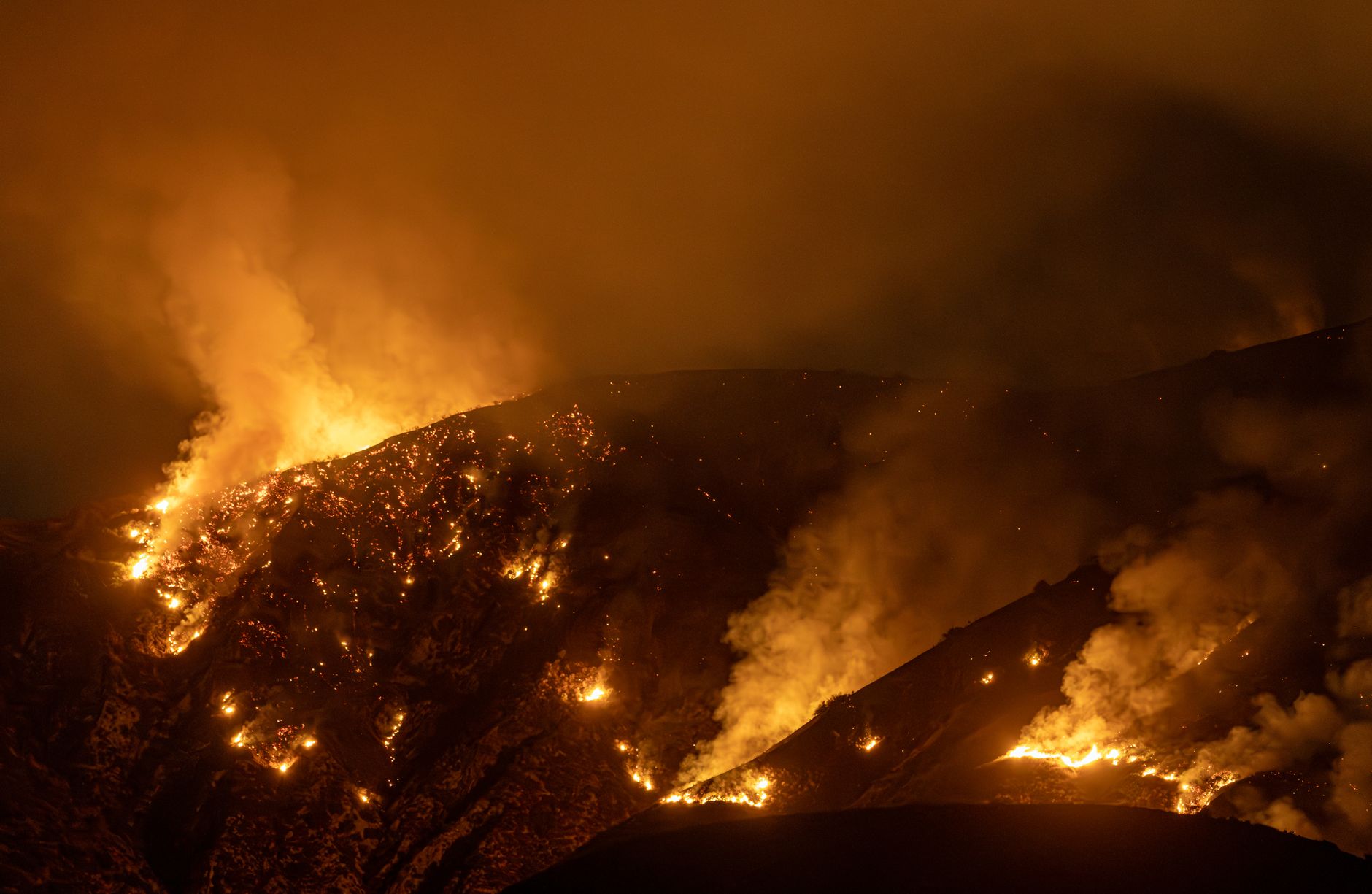
The California wildfire liability deal is stalled over inverse condemnation and insurer lawsuits against utilities. Inverse condemnation makes utilities pay for all wildfire damage from their equipment, even when their conduct was reasonable and followed wildfire plans.
Gov. Gavin Newsom wanted to shift that risk by limiting insurer subrogation. CalMatters reported via the Santa Monica Daily Press that the narrowed compromise, Senate Bill 492, died September 2 when the Assembly never called a final vote final-day session report.
Table of Contents
- Why does inverse condemnation block a deal?
- What did Senate Bill 492 keep and drop?
- Why is Southern California Edison most exposed?
- What could this mean for your electric bill?
Why does inverse condemnation block a deal?
Inverse condemnation is the legal rule at the center of the fight. The Cool Down describes it as strict liability for utility-caused fires, regardless of careful maintenance or approved prevention plans liability dispute explainer. Utilities say that rule leaves them exposed to tens of billions in costs after a major fire.
Ratepayers share the exposure because utilities seek recovery through rates and borrowing. Newsom sought to move part of that burden away from utilities. His approach would limit or end subrogation, the process that lets insurers recover wildfire payouts by suing utilities.
What did Senate Bill 492 keep and drop?
The August 29 version of Senate Bill 492 dropped the subrogation curb. Insurance Business Magazine reports it preserved insurers' right to sue utilities while capping attorneys' fees in subrogation cases at 10% amendment coverage. The final text also left out other Newsom proposals.
Those included a $6 billion per-fire cap on utility liability. The omitted items also included limits tied to survivors' non-economic damages. Changes to the state's about $21 billion Wildfire Fund were also left out, according to The Camarillo Acorn.
📨 Get Free California Guides Alerts
Free · No spam · Unsubscribe anytime
Why is Southern California Edison most exposed?
Southern California Edison faces the largest near-term risk. Its equipment was linked to the January 2025 Eaton Fire in La Cañada Flintridge. That fire ranks among the costliest in state history.
A utility linked to such a fire faces damage claims, insurer lawsuits, and higher borrowing costs at once. No reform changes that immediate exposure. It also leaves future fire costs under the same liability rule.
What could this mean for your electric bill?
The California Public Utilities Commission warned the current system is not sustainable. It said placing tens of billions in wildfire costs on utilities and ratepayers harms safe, reliable, and affordable service.
Regulators and utilities say the same costs will keep upward pressure on household electric bills. They also expect higher utility borrowing costs, leaving less money for grid work and electrification, according to legal analysis of the bill's failure. Renters and homeowners cannot change liability law alone, but they can track its household effects: Save a copy of each bill before wildfire season so later increases are easy to document.
- Compare your electric bill every few months and note rate or wildfire-related line items
- Read notices from your utility and the Utilities Commission about rate requests
- Contact your Assembly member and senator when liability or rate legislation returns
- Keep photos, receipts, and insurance papers in one place during fire season